
How to Measure Your Home for a Mobility Scooter
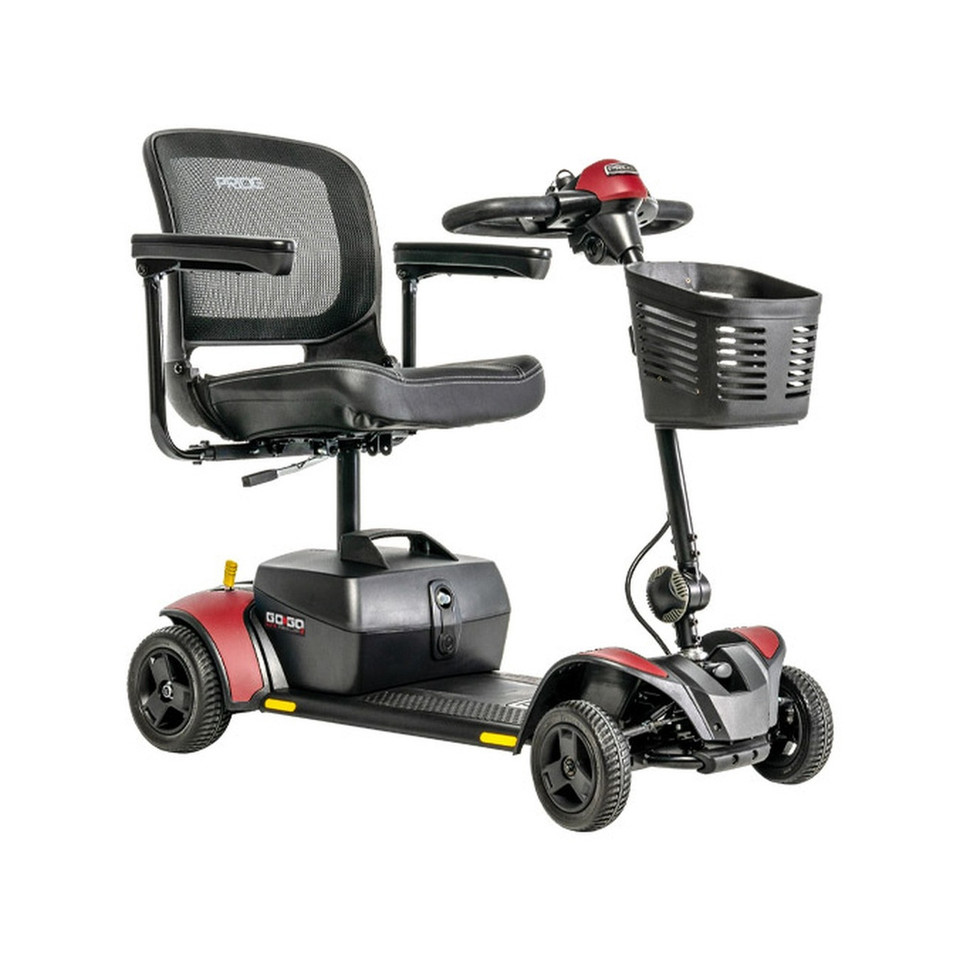
Measure your home by walking the scooter's real route: doorway widths, hallway turns, the tightest corner, floor thresholds, the parking spot and the charging outlet. Compare each against the model's spec sheet, which varies, so keep your numbers for a Free Live Fit Session.
Why measure before you buy
A scooter that cannot get through your front door or turn in your hallway is an expensive lesson. The good news is that measuring takes less than an hour and needs only a tape measure, a pencil, and a phone camera.
You are not trying to be precise to the fraction. You are looking for the pinch points, the places where space is tight, and writing them down. Then you compare them with the dimensions on the product page and manufacturer spec sheet for any model you are considering.
We do not publish scooter dimensions in this guide because they vary by model. The measuring method is what stays constant.
Map the route first
Before picking up the tape, walk the route the scooter will actually take, and sketch it. Begin at the place it will be stored and end at the place you want to use it most.
Typical routes include:
- from the storage spot to the front door
- from the front door to the vehicle or sidewalk
- from the living room to the kitchen
- from the bedroom to the bathroom, if you plan to ride there
Mark every doorway, corner, and change in floor level along each route. These are your measuring points. A route sketch keeps the job organized and prevents forgotten spots.
Doorways, hallways, and the turns that trip people up
Measure doorways at their narrowest, which is usually the gap between the door stops or the frame, not the wall opening. If a door swings into the path, note that too, because a door that opens into a scooter's path is a hurdle.
Hallways need two measurements: the width, and the turn. Straight runs are easy; a ninety-degree turn from a narrow hallway into a doorway is the classic problem. Measure the width on both sides of the turn and note whether furniture intrudes.
Take a photo of each tight spot with the tape visible. Those photos are invaluable in a Live Fit Session.
Floors, thresholds, and surfaces
Floor changes matter more than people expect. Note any thresholds between rooms, door sills, rugs with raised edges, and transitions from hard floors to carpet. A small step for a walker can be a real obstacle for a scooter.
Also look at the surface where the scooter will charge and park. It should be level and away from water. Loose cords in the path can also be a hazard.
If you ride outside, check the entry: steps, a ramp, a porch, a sloped driveway. Write down how you would get from the door to the ground, and whether a ramp is in place. Any ramp questions belong with a qualified installer.
Parking, storage, and charging
A scooter needs a home base. Measure the space where it will sit, including the room you need to get on and off comfortably. A scooter jammed into a corner you cannot reach is not going to be used.
Make sure there is a power outlet nearby and that the charging cord will not cross a walking path. Think about ventilation and heat as well; follow the manufacturer's guidance for charging and storing the battery.
If the scooter will go in a vehicle, add your parking space: is there room beside the car to open the hatch and set the scooter down?
A ten-minute version if you are short on time
If you cannot do the full walk-through, do this shortened pass.
- Measure your front door and the narrowest interior doorway.
- Measure the hallway width and find the sharpest turn.
- Note any threshold, step, or raised sill on the main route.
- Photograph the storage spot and the nearest outlet.
- Write the numbers on one page.
This will not catch everything, but it catches the problems that most often end a purchase. You can always add detail later, once you have a shortlist of models to compare it against.
Use your numbers well
When the measuring is done, put the results in one list: each tight spot, its width, and a photo. Compare them with the spec sheets of the models you like, leaving some margin for error; a scooter that barely clears is one you will scrape every day.
Bring the list to a Free Live Fit Session and we will talk through which classes suit your home. If your home is tight, a 3-wheel or travel-class model may be a better match than a larger one. See our 3-wheel vs 4-wheel guide for the turning trade-off.
Frequently asked questions
What should I measure first for a mobility scooter?
Start with the tightest spot on the route you will use most, usually a doorway or hallway turn. Measure the narrowest point, not the wall opening, and photograph it with the tape visible. Then compare it with the model's dimensions on the live product page and manufacturer spec sheet.
Do I need to measure turning space?
Yes. Doorways may be wide enough while a hallway turn is not. Turning needs vary by model and by whether the scooter has three or four wheels. Note the width of both hallways at each turn and any furniture nearby, and share that information in a Free Live Fit Session.
Do thresholds and rugs really matter?
They can. Raised door sills, rug edges, and changes between flooring types can be obstacles for a scooter. Note them while you walk your route and photograph any that look difficult. They are usually easy to address once you know they exist, often by removing or smoothing them.
Can Scooter Pros help me judge my home layout?
Yes. In a Free Live Fit Session, you can share your measurements and photos, and a Scooter Pro can help you compare them with the classes you are considering. We do not publish invented dimensions, so bring your own numbers and the spec sheets for models you like.
Related from Scooter Pros
- Go Go Elite Traveller 2
- Victory 10 3-Wheel
- travel scooters
- compare scooters
- 3-wheel vs 4-wheel mobility scooter guide
- restocking fees and 30-day exchange
- What to Look for in a Mobility Scooter for Indoor Use
- How to Choose a Mobility Scooter: A Practical Guide
Book a Free Live Fit Session → https://scooterpros.com/find-your-scooter/ · Call 1-800-520-4558
Specs, weights, and prices vary by model and change. Confirm with the manufacturer and the live product page. Scooter Pros does not provide medical, insurance, or Medicare advice. Scooter Pros does not bill Medicare.
Newest Guide & Blog Updates
Mobility Scooter for an Apartment or Small Space
A compact or travel-class scooter with a tight turning feel usually suits an apartment best. Measure...
Buying a Mobility Scooter for a Parent: A Family Guide
Buying a scooter for a parent works best when the parent leads the decision. Involve them early, obs...
First-Time Mobility Scooter Buyer Checklist
A first-time scooter buyer should decide where it will be used, measure the home and vehicle, settle...
20 Questions to Ask Before Buying a Mobility Scooter
Before buying a mobility scooter, answer twenty questions about where you will ride, how you will tr...
Mobility Scooter Weight Capacity Explained
Weight capacity is the maximum rider load the manufacturer rates a scooter to carry. It varies by mo...
What to Look for in a Mobility Scooter for Outdoor Use
For outdoor use, look for a stable scooter with wheels and suspension suited to your terrain, a comf...