What to Look for in a Mobility Scooter for Outdoor Use
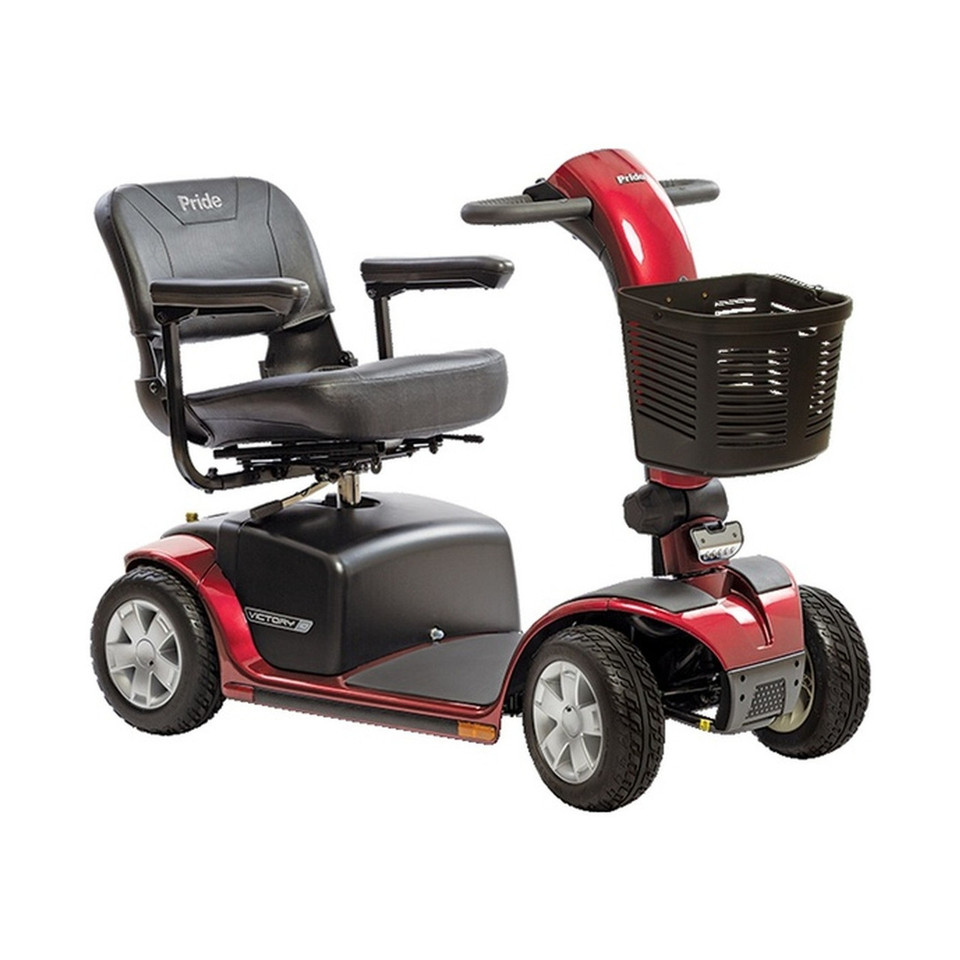
For outdoor use, look for a stable scooter with wheels and suspension suited to your terrain, a comfortable seat for longer rides, good visibility, and a plan for transport and weather. Four-wheel and full-size models are common choices. Confirm specifics on each spec sheet.
What outdoors demands
Outdoors, a scooter faces things a living room never throws at it: cracked sidewalks, curbs, grass, gravel, slopes, wind, and weather. So the priorities shift from tight turning to stability, comfort, and confidence.
The right scooter depends on where you ride. A smooth paved path is a very different job from a gravel driveway. Before you look at models, describe your typical terrain in a few lines. We do not quote speeds, ranges, or capacities here because they vary by model; check the manufacturer spec sheet and product page for those.
Stability: wheels and layout
Stability is the first outdoor concern. Generally, a 4-wheel scooter feels steadier than a 3-wheel model, especially when turning on uneven ground. Wider stance and larger wheels tend to help on rough surfaces, while smaller wheels can catch on cracks and edges.
A 3-wheel scooter can still be an outdoor choice for smooth, flat routes, and its tighter turning helps in crowded places. Our 3-wheel vs 4-wheel guide lays out the trade-off.
Whatever you choose, introduce yourself to slopes, curbs, and cross-slopes slowly. Follow the manufacturer's safety guidance on inclines and obstacles.
Comfort for longer rides
Outdoor outings tend to be longer than indoor hops, so comfort matters more. Look at the seat size and support, the armrests, and whether the tiller adjusts to a comfortable position. Think about how you feel after an hour, not a minute.
Full-size scooters are often designed with this in mind, offering more room and support. Suspension features on some models can soften bumps, though features vary, so check each product page rather than assuming.
If you sit for long periods, test the comfort in a Free Live Fit Session. It is a personal judgment, not medical advice.
Weather, visibility, and care
Outdoor use means exposure. Rain, dust, sun, and cold can all affect a scooter and its battery. Follow the manufacturer's guidance on riding in wet weather, cleaning, and storing. Storing the scooter under cover and out of extreme temperatures is a sensible general practice.
Visibility matters too. Lights, reflectors, and a flag can help others see you. Consider bright clothing and stay alert to traffic, especially when crossing driveways.
Check local rules for where you may ride. Practices differ between sidewalks, paths, and roads, and it is your responsibility to know them.
Transport for outdoor scooters
Larger, sturdier scooters usually mean harder transport. A full-size model may not come apart into pieces a person can lift, which means a lift, ramp, or vehicle arrangement.
If you need the outdoor stability of a bigger scooter but also want to drive it somewhere, plan the transport first. Our travel vs full-size vs heavy-duty guide compares the classes. Travel-class scooters are easier to load but may feel less planted on rough ground.
Be honest about which matters more for you. If it is both, talk to us about midsize options and your vehicle.
A simple terrain test for your routes
Before you fall for a model, rate your routes honestly. Smooth paved paths and sidewalks are the easiest. Cracked pavement, curbs, and grass are the middle ground. Gravel, steep slopes, and cross-slopes are the hardest.
If most of your riding is in the easy category, a smaller, more portable scooter may serve you well. If you meet the hard category often, put stability and comfort ahead of portability, and plan how you will get a bigger scooter where it needs to go.
Write the three surfaces you meet most and bring them to your session. That single list focuses the conversation better than any feature table. Add the longest outing you expect, such as an afternoon at a fair or a full day of errands, because comfort and battery planning both depend on it. Then note whether you will ride alone or alongside walkers, since pace and path width change what feels comfortable.
Test it against your terrain
Write down your three most common outdoor surfaces and your steepest slope. Bring those to a Free Live Fit Session along with your vehicle details. A Scooter Pro can suggest classes that suit the terrain and help you compare models, pointing you to the product pages for real specs.
If the scooter you buy is not right, Scooter Pros offers a 30-day free exchange after a completed Live Fit demo, no restocking fee (details at purchase). But matching the scooter to the terrain before you buy is the best way to avoid needing it.
Frequently asked questions
Is a 4-wheel scooter better for outdoor use?
Generally, yes, because 4-wheel scooters tend to feel steadier, especially on uneven ground and in turns. A 3-wheel scooter can still suit smooth, flat routes. Terrain, your comfort, and your transport plan all matter, so compare them with your actual routes. Our 3-wheel vs 4-wheel guide explains the trade-off.
Can I ride a mobility scooter in the rain?
Follow the manufacturer's guidance for your specific model. Scooters differ in how they handle wet weather, and moisture can affect electronics and batteries. As a general practice, avoid heavy rain, dry the scooter afterward, and store it under cover. Check your owner's manual for the rules that apply.
Do I need a full-size scooter for outdoor riding?
Not always. Full-size scooters offer comfort and stability, but smooth paved routes may be fine with a smaller model. Consider your terrain, ride length, and transport plan. A Free Live Fit Session can help you decide whether a larger scooter is worth its added storage and transport demands.
What should I ask about outdoor features?
Ask about the wheels, suspension if any, lights, seat comfort, and how the manufacturer recommends handling slopes and weather. Specs vary by model, so use the live product page and manufacturer spec sheet. Bring your terrain notes to a Free Live Fit Session for a practical comparison.
Related from Scooter Pros
- Victory 10 4-Wheel
- Maxima 4-Wheel
- full-size scooters
- travel scooters
- 3-wheel vs 4-wheel mobility scooter guide
- restocking fees and 30-day exchange
- What to Look for in a Mobility Scooter for Indoor Use
- Travel vs Full-Size vs Heavy-Duty Mobility Scooters
Book a Free Live Fit Session → https://scooterpros.com/find-your-scooter/ · Call 1-800-520-4558
Specs, weights, and prices vary by model and change. Confirm with the manufacturer and the live product page. Scooter Pros does not provide medical, insurance, or Medicare advice. Scooter Pros does not bill Medicare.
Newest Guide & Blog Updates
Mobility Scooter for an Apartment or Small Space
A compact or travel-class scooter with a tight turning feel usually suits an apartment best. Measure...
Buying a Mobility Scooter for a Parent: A Family Guide
Buying a scooter for a parent works best when the parent leads the decision. Involve them early, obs...
First-Time Mobility Scooter Buyer Checklist
A first-time scooter buyer should decide where it will be used, measure the home and vehicle, settle...
20 Questions to Ask Before Buying a Mobility Scooter
Before buying a mobility scooter, answer twenty questions about where you will ride, how you will tr...
Mobility Scooter Weight Capacity Explained
Weight capacity is the maximum rider load the manufacturer rates a scooter to carry. It varies by mo...
What to Look for in a Mobility Scooter for Outdoor Use
For outdoor use, look for a stable scooter with wheels and suspension suited to your terrain, a comf...